Potato Bag Manufacturers in South Africa: Supplier Overview
Complete Guide to Paper Potato Bags: Benefits, Varieties, and Sustainable Packaging Options
Paper potato bags mark a notable shift in the direction of sustainable packaging solutions. They deliver several advantages, such as biodegradability and superior potato storage performance. Several types of these bags address varying needs, from lightweight to heavy-duty alternatives. Understanding the benefits and selection criteria for these bags can inform better decisions in packaging. Nevertheless, the comparison with traditional plastic choices raises critical questions about sustainability and environmental impact. What will the future hold for these eco-friendly alternatives?
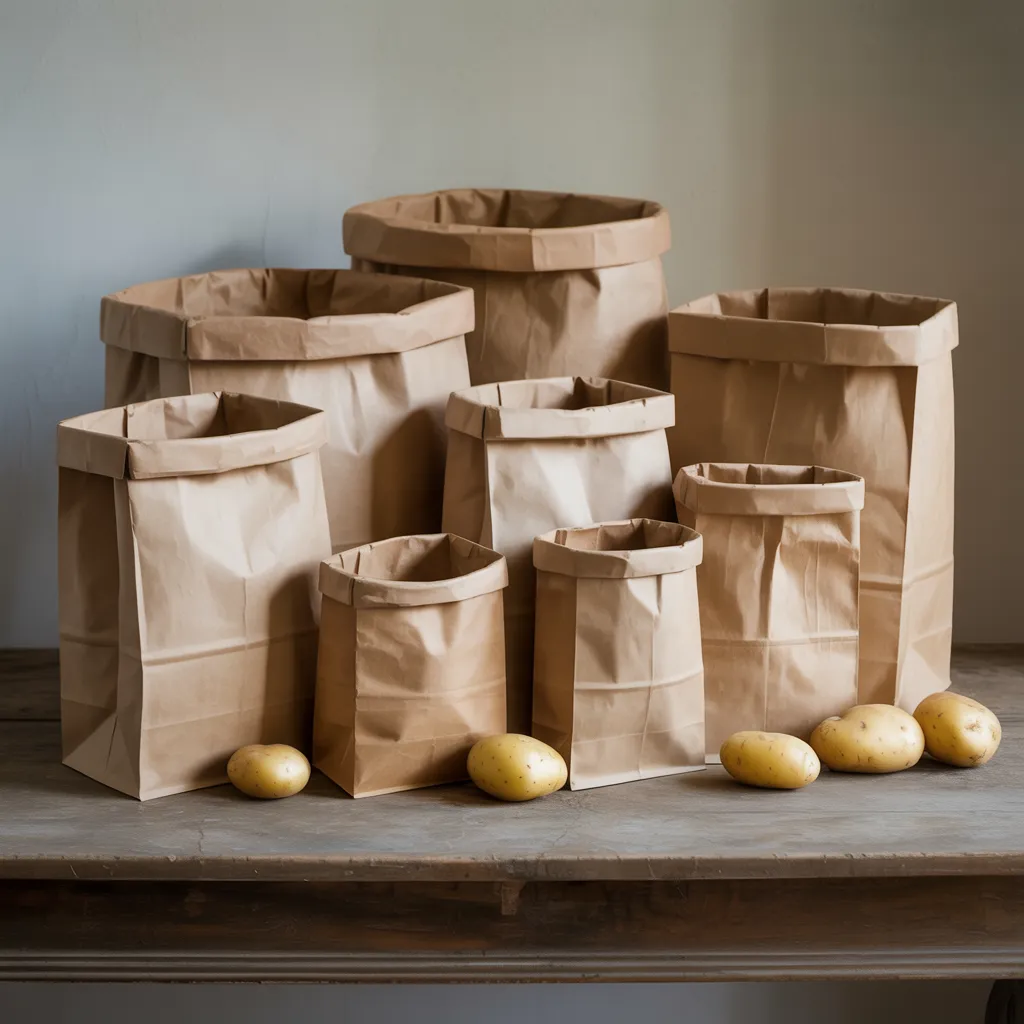
How Paper Potato Bags Support Sustainable Packaging Practices
An expanding number view information about of businesses are understanding the merits of using paper potato bags as a green packaging alternative. These bags present a biodegradable option to plastic, meeting the increasing consumer demand for eco-friendly products. Produced from renewable resources, paper potato bags promote a circular economy by decreasing reliance on fossil fuels and minimizing waste.
In addition to their eco-friendly advantages, paper potato bags deliver superior breathability, which helps preserving the freshness of the potatoes while extending their shelf life. Their sturdy construction guarantees that they can manage the weight of the produce without tearing or leaking. Additionally, the customizable nature of paper allows businesses to include branding and product information, improving consumer engagement.
Green Benefits of Paper Potato Bags
Paper potato bags offer significant environmental benefits, chiefly attributed to their biodegradable nature. Different from plastic substitutes, these bags decompose organically, minimizing waste while avoiding long-term pollution. In addition, their use can help minimize the impact of plastic pollution on ecosystems and wildlife.
Biodegradable Material Benefits
Although various packaging materials cause environmental damage, paper potato bags distinguish themselves through their biodegradable nature. Manufactured from renewable materials, these bags degrade naturally, nourishing the soil and decreasing landfill waste. Contrary to plastic, which might take hundreds of years to deteriorate, paper bags ordinarily decompose within a few months under ideal conditions, decreasing their environmental impact. This quick degradation process further helps minimize greenhouse gas emissions connected to waste management. Additionally, the use of paper potato bags supports sustainable forestry practices, ensuring that trees are responsibly sourced. By selecting biodegradable packaging, consumers participate in a circular economy, encouraging environmental health and sustainable practices that serve future generations. Thus, paper potato bags constitute a responsible selection for both producers and consumers alike.
Decreased Plastic Waste Effect
As shoppers progressively look for sustainable alternatives to conventional packaging, paper potato bags come forward as an significant solution in the battle against plastic pollution. These bags, made from renewable resources, considerably reduce dependence on plastic materials, which contribute to environmental degradation. Unlike plastic bags, which can take hundreds of years to decompose, paper bags break down naturally in a matter of months, limiting landfill contributions. Additionally, the production of paper bags typically entails lower greenhouse gas emissions in contrast to plastic manufacturing. By going with paper potato bags, companies and customers alike can play a significant role in lowering plastic waste and fostering a more sustainable future. This shift not only aids the environment but also promotes a circular economy centered on resource efficiency and waste reduction.
Categories of Paper Potato Bags: Finding the Right One for Your Needs
Upon selecting paper potato bags, it is vital to examine the particular requirements of the user. Options vary from lightweight to heavy-duty bags, each suited for different handling and storage needs. Additionally, options between biodegradable and reusable bags can affect both environmental impact and practicality.
Light vs. Heavy-Duty Solutions
Picking the right paper potato bag relies on understanding the differences between lightweight and heavy-duty options. Lightweight bags are typically engineered for short-term use and are perfect for transporting smaller quantities of potatoes. They offer convenience and cost-effectiveness but may not tolerate extended handling or transportation. In contrast, heavy-duty bags are manufactured with thicker materials, delivering superior durability and resistance to punctures and tears. These bags are ideal for bulk storage and long-distance shipping, ensuring that the potatoes remain protected during transit. Businesses must evaluate their specific needs, such as storage duration and transportation conditions, to determine whether a lightweight or heavy-duty option aligns with their requirements, ultimately affecting product quality and sustainability.
Compostable vs. Reusable Alternatives
Numerous choices are present when it comes to paper potato bags, most notably in the context of biodegradable versus reusable options. Biodegradable bags are designed to break down naturally over time, making them an green choice for consumers looking to decrease waste. These bags typically include materials that decompose in composting environments, delivering a sustainable solution for single-use applications.
Conversely, reusable bags are created for multiple uses, delivering a sensible option for those who prioritize durability and longevity. Constructed from sturdy paper, these bags can withstand repeated handling and transport. In the end, the choice between biodegradable and reusable paper potato bags relies on individual needs, environmental considerations, and the intended use, enabling consumers to choose the option that corresponds most closely with their values.
Top Tips for Storing Potatoes in Paper Bags
The proper storage of potatoes in paper bags can considerably increase their shelf life and keep their quality intact. To attain optimal storage conditions, it is essential to select a cool, dim, and properly ventilated space, as light and warmth can promote sprouting and spoilage. The paper bags should be preserved away from humidity to prevent mold growth, which can compromise the potatoes' integrity.
Potatoes shouldn't be washed prior to storage; instead, any dirt should be brushed off gently, as moisture raises the likelihood of spoilage. One should periodically check the potatoes for evidence of rotting or sprouting, promptly removing any compromised ones to prevent spread. Additionally, storing different varieties separately can help in managing their particular storage requirements. By following these best practices, individuals can enjoy fresher potatoes for a longer duration, elevating their culinary endeavors and minimizing food waste.
Why Paper Potato Bags Outperform Plastic: A Comparison?
With regards to storing potatoes, the type of packaging has a significant role in maintaining their quality. Paper potato bags offer numerous advantages over plastic options. They permit improved airflow, which works to minimize moisture buildup and decreases the risk of rot. In contrast, plastic bags can trap humidity, leading to sprouting and spoilage.
Moreover, paper bags are both biodegradable and compostable, rendering them a more environmentally friendly alternative versus plastic, which contributes to long-lasting landfill waste. The natural materials utilized in paper bags also prevent the possible leaching of hazardous chemicals that can happen with plastic.
Moreover, paper potato bags present a rustic aesthetic that appeals to consumers pursuing sustainable products. This combination of practicality and eco-friendliness makes paper bags a preferred choice for storing potatoes, maintaining their freshness while aligning with sustainable practices.
Finding and Utilizing Paper Potato Bags for Business Operations
Procuring paper potato bags necessitates careful consideration of suppliers to ensure quality and sustainability. Businesses should seek manufacturers that focus on sustainable practices, such as using recycled materials and non-toxic inks. It is crucial to evaluate the durability and moisture resistance of the bags, verifying they can efficiently protect the potatoes during transportation and storage.
Additionally, businesses might consider the customization alternatives available, including branding and size variations to satisfy specific requirements. Creating a reliable supply chain is critical to maintain consistent product availability. Organizations should also evaluate the cost-effectiveness of sourcing paper potato bags, balancing product quality with budget limitations.
The Evolution of Eco-Friendly Packaging: Trends and Breakthroughs
With organizations increasingly focusing on environmental responsibility, the future of packaging is shifting towards more eco-conscious and advanced approaches. In recent years, there has been substantial growth in the adoption of environmentally degradable materials, such as botanical plastics and paper materials, which reduce ecological footprint. Companies are examining smart packaging technologies that employ sensors for tracking product freshness, boosting consumer engagement while cutting down on waste.
Additionally, the trend in the direction of circular economy practices is gathering momentum, with brands concentrating on recyclable and reusable packaging solutions. This shift not only meets expanding consumer demand for sustainable products but also aligns with regulatory pressures to minimize plastic waste.
Moreover, innovations in digital printing technology are facilitating personalized packaging, which can improve brand engagement without compromising sustainability. Overall, the future of sustainable packaging is distinguished by a pledge to innovation, efficiency, and environmental responsibility, representing a collective effort to create a more sustainable world.
Questions & Answers
Are Paper Potato Bags Recyclable After Use?
Certainly, paper potato bags can typically be recycled after use, given that they are clean and free from contaminants. Recycling helps minimizing waste and promotes sustainability, which aligns with eco-friendly practices in disposal and packaging.
How Can Paper Potato Bags Compare in Expense to Plastic?
Paper-based potato bags usually come at a premium over plastic variants owing to raw materials and production techniques. Nevertheless, this cost gap can be balanced by their eco-friendly advantages and growing customer demand for environmentally responsible packaging options.
Are There Any Chemical Treatments in Paper Potato Bags?
Potato bags constructed from paper normally lack hazardous chemical treatments. They're typically crafted from natural materials, which creates a safer, environmentally conscious option compared to plastic alternatives that may involve various chemical processes.
What Sizes Are Available for Paper Potato Bags?
Several sizes of paper potato bags are offered, addressing different packaging requirements. Common sizes include small, medium, and large options, providing flexibility for growers and sellers to accommodate diverse quantities of potatoes successfully.
Is Printing Custom Designs on Paper Potato Bags an Option?
Absolutely, custom designs can be imprinted on paper potato bags. Many manufacturers provide this service, enabling businesses to boost brand visibility and create unique packaging that corresponds to their marketing strategies and customer preferences.